A class project
Meet Baba Victor.
His other name is Dr. Roboto.
He is a dad who builds robots. He went to university for a long time to learn how robots see and move. Now he helps farms with drones, and he works with a helper robot that has two arms. Next up: robots that walk like people.
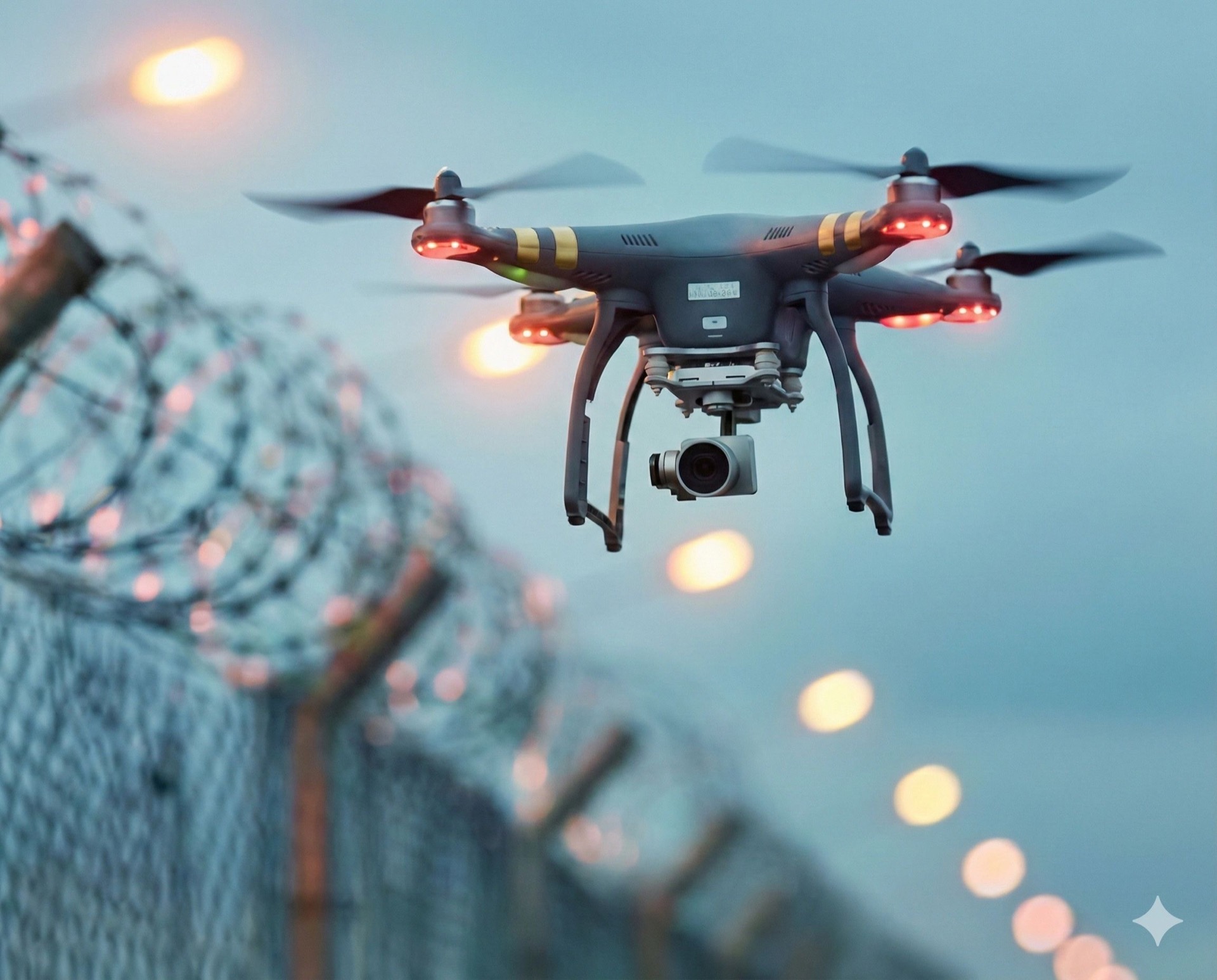
Who is Dr. Roboto?
Four chapters in one story
Baba Victor is not a hospital doctor. He is a robotics doctor. That means he studied robots until the university said: you know this subject really well. People with that degree write PhD after their name.
This page has four parts, like four levels in a game:
- The giant lab robot from his university years (the PR2) — it plays pool and dances the Macarena.
- The drones he uses now to help farms and big houses.
- A smaller home robot with two arms, called XLeRobot.
- What’s next: humanoid robots that walk on two legs, like Boston Dynamics’ Atlas.
Press the videos. They show real robots doing jobs — not cartoons.
Part 1 · Robot school
Watch the PR2 play pool and dance
When Baba Victor was at university, scientists used a famous robot called the PR2. Think of it as a tall rolling person with cameras for eyes and two hands. It learned games, and it even danced the Macarena.
Fun fact: people were already building the PR2 in 2009. That robot is older than every student in this class. Back then it was a superstar — and it cost about $400,000. Only labs and universities could buy one. Robots today are much smarter, and a lot cheaper too.
Press play. These are real PR2 robots, not cartoons.
Pool: see the balls, aim the cue, take a shot. (Willow Garage)
The Macarena: a PR2 dances at a science museum. Yes, really.
Part 2 · Farm drones
RoboAgro: a flying camera for farms
After university, Baba Victor started a company. One of its tools is called RoboAgro. It helps farms and big houses in Africa.
A real pilot flies a drone. The drone takes photos from the air. Then the farmers get a message on their phones: here is a picture, and here is the spot on the map. They decide what to do next.
Sometimes the drone checks a fence line (like a security guard in the sky). Sometimes it looks at crop fields to see which plants need a closer look. The drone does not chase anyone. People stay in charge.
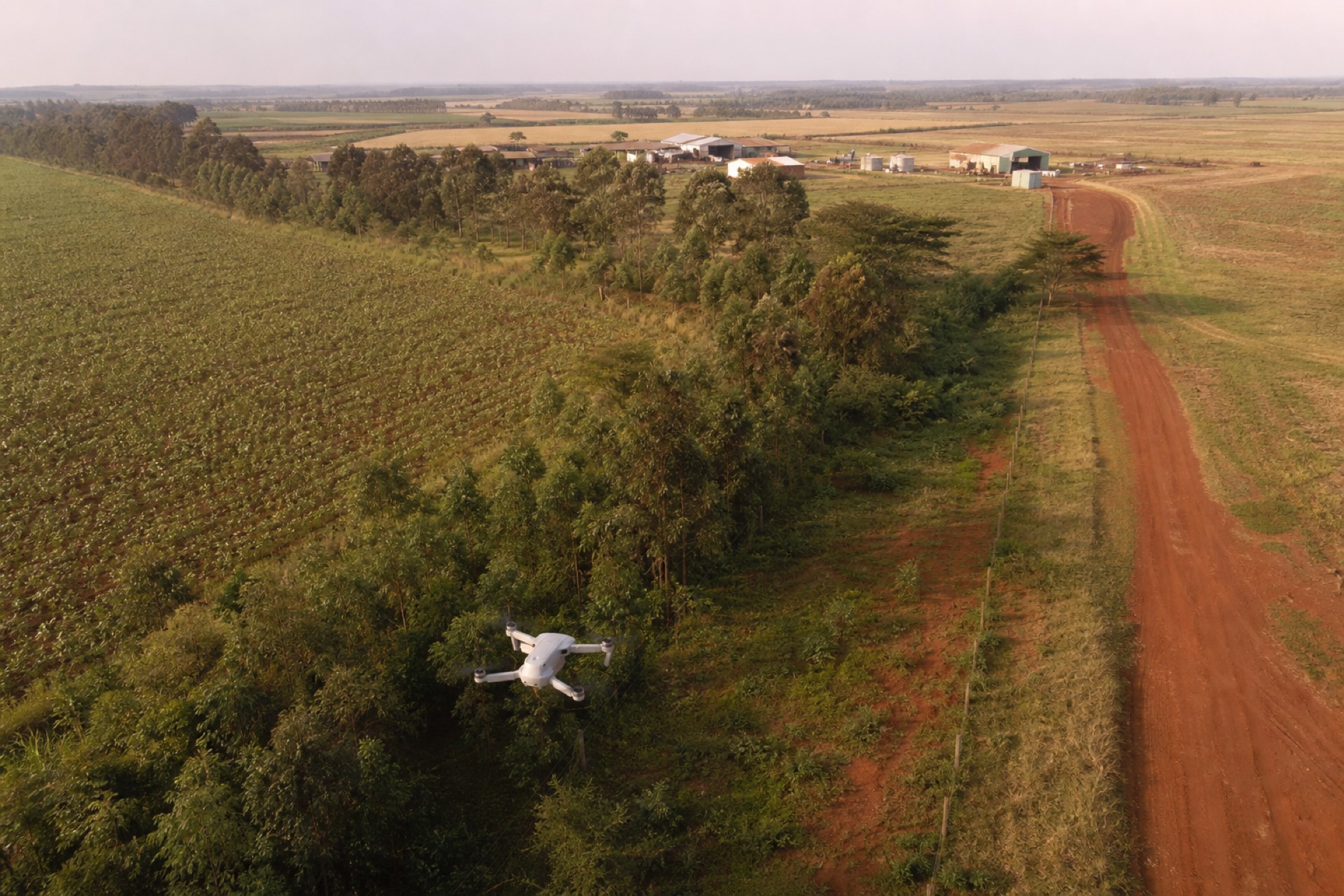
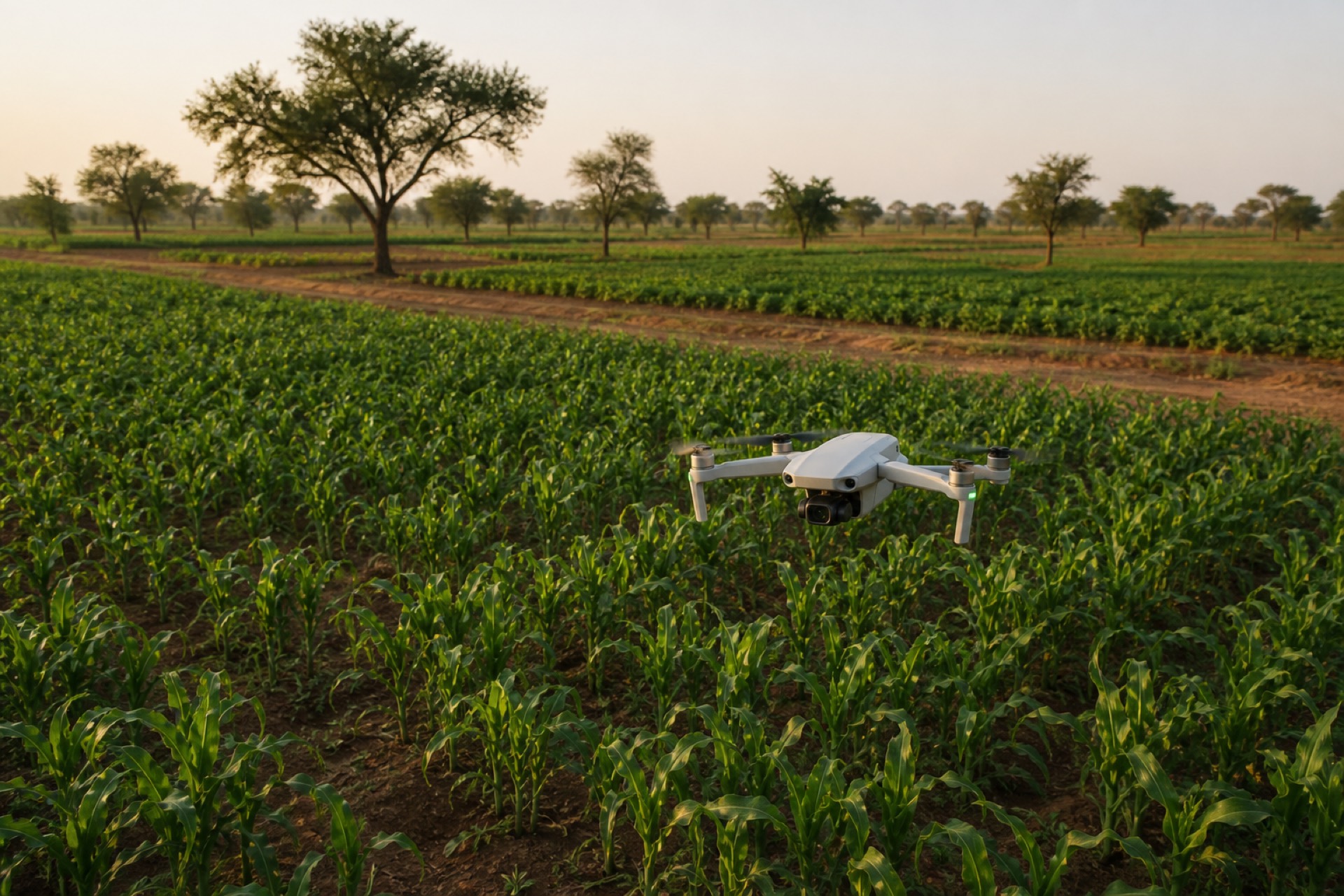
Pictures of the kind of places RoboAgro helps: big houses, trees, and farm fields.
Part 3 · Home robot
XLeRobot: a helper with two arms
The PR2 was huge, lived in a lab, and cost a fortune. XLeRobot is a smaller cousin. It rolls on wheels, has two arms, and costs about $660 to build — less than many phones.
Press play to see how much it can do at that price: open a fridge, get a drink, wipe a table, look after plants. People around the world helped invent this robot. Baba Victor works with it to show how robots can learn to help at home.
XLeRobot doing real home jobs (official demo video).
Lab robot vs home robot
The PR2 (2009) was like a robot at a science museum: big, clever for its time, and older than every kid in this class. It also cost about $400,000 — so expensive that only labs could buy one. You would not keep it in the kitchen.
XLeRobot is a newer cousin. It can be built for about $660 — hundreds of times cheaper, less than many phones. And look what it still does: fridge, drinks, wiping tables, plants. Robots now are much more intelligent, and far more people can actually try them.
Part 4 · What's next
Humanoid robots: walking like people
The PR2 rolled on wheels. XLeRobot does too. Very soon, robots will walk on two legs — because stairs, doors, and tools were made for human bodies.
A famous example is Atlas from Boston Dynamics. It walks, jumps, does parkour, and even dances. Lots of companies are racing to make walking helpers. This is where Dr. Roboto’s kind of work is heading: robots leaving the lab and showing up in the real world.
Press play. Watch Atlas do parkour. Then watch Atlas dance.
Atlas does parkour: jumps, vaults, and keeps its balance. (Official Boston Dynamics video)
Atlas dances to “Do You Love Me?” Official Boston Dynamics video. Yes, really.
Baba Victor’s career is this story in slow motion: a giant expensive lab robot, then cheaper helpers, then walking robots that look a bit like us. The PR2 was the old school superstar. Atlas is a peek at what classmates might see in the world while they are still in school.
The story in order
How his career grew
If you remember only four things
1. Baba Victor is also called Dr. Roboto because he is a robotics doctor from university.
2. The PR2 is a 2009 lab robot that cost about $400,000. It can play pool and dance the Macarena. XLeRobot is a two-armed home helper that costs about $660 and still does real chores. Robots now are much smarter — and much cheaper. RoboAgro is his farm-drone work.
3. Humanoid robots like Boston Dynamics’ Atlas walk, jump, and dance. That is where robots are heading very soon.
4. Robots here do not replace people. They take a look, send a picture or do a small job, and then humans decide what happens next.
Your turn
Can you beat the robot quiz?
Four questions. Tap an answer. The page will tell you if you got it.
Score: 0 / 4
1. Baba Victor’s other name is…
2. People were already building the PR2 in…
3. About how much does XLeRobot cost to build?
4. Atlas, the walking robot, can…